
Analyzing where fintech is headed requires understanding where it’s come from. And 2008 was a pivotal moment. Since that recession, policymakers have paid close attention to the traditional financial ecosystem in an effort to make that community safer. Regulators pumped the banks full of capital and leaned heavily into compliance. It worked—to a degree.
That’s because compliance came with a trade-off: the sole use of legacy systems, which simply couldn’t satisfy customers and businesses, hungry for convenience and immediacy.
Enter fintech.
In 2020, 58% of U.S. consumers, surveyed by The Harris Poll and financial services behemoth Plaid, used technology to manage their finances. But one year later, that number had jumped to a staggering 88%. The “why” was obvious: Fintech, said survey respondents, saved them time and money, helped them make smarter financial decisions, and reduced financial stress.
Mobile fintech technology is also changing how payments connect globally. Fintechs specializing in cross-border transactions are expanding the progress made by domestic giants. The era of waiting days for an overseas wire transfer seems downright quaint.
Perhaps no year will be as big for fintech as 2023. That’s when the Federal Reserve is scheduled to launch its instant payment service, FedNow—the government’s first attempt at real-time payments (RTP). It will enable individuals and businesses to send instant payments through the Fed’s depository institutions and give smaller banks and credit unions a fighting chance in the payments arena.
What will it mean? From airline tickets to court fees, the FedNow payment highway grants banks the potential to stay up to speed with current fintech offerings. And the White House says it will encourage all government agencies to use instant payment services for their transactions, like the distribution of disaster funds or other government-to-consumer payments.
Government involvement in the growing fintech space is a massive opportunity for industry growth and collaboration. The market is still super-ripe for companies and institutions to compete—or partner—with Uncle Sam and/or any of the big fintechs. And no singular use case in the fintech industry has surpassed 70% penetration, according to Plaid.
With all this valuable information in mind, these are a few predictions for 2023 and the fintech industry:
An explosion of Vertical SaaS
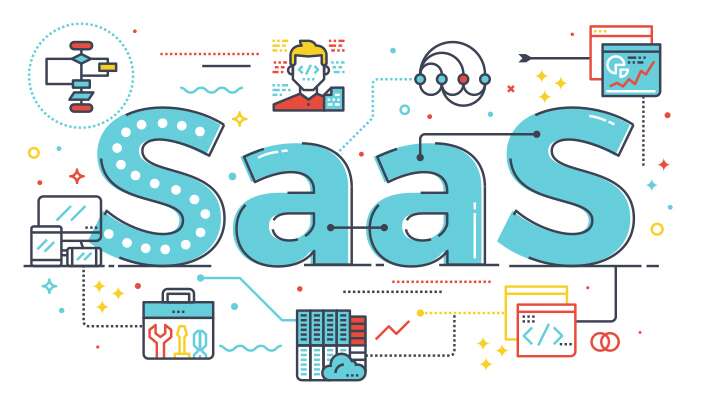
Software as a Service (or SaaS) is a way to deliver software applications using the Internet, freeing businesses from complex software and hardware management and installation. The platforms provide a better customer experience and faster product delivery, resulting in increased customer and user satisfaction. One of the big reasons for the explosion of vertical SaaS is that the infrastructure for starting one has gotten so much better, and better infrastructure means startups can get to market faster while layering in more ways to monetize with less headcount and capital.
SaaS solutions have completely revolutionized traditional software product licensing models. The global SaaS market is valued at over one hundred billion dollars and continues to grow significantly due to its popularity among SaaS providers and users. This industry is expected to reach $623 billion, with an annual growth rate of 18%.
Most of the new fintech companies will be B2B
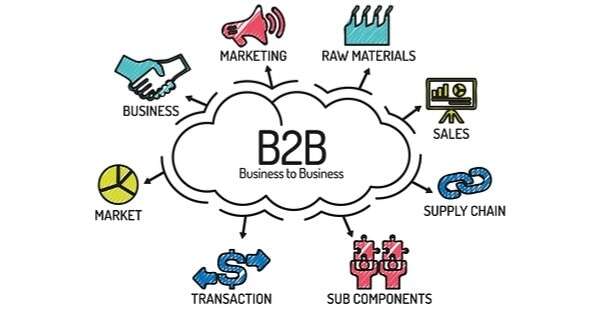
Many of the iconic companies in fintech in the last decade have been consumer. Today’s entrepreneurs seem increasingly focused on B2B opportunities.
Hundreds of repeat founders and thousands of fintech employees, many of whom worked at those iconic consumer companies, have now spent a decade or more understanding how the plumbing is broken and they want to fix it. This is not to say there aren’t opportunities in consumer, but that the balance has shifted to B2B.
The continuous grow of Embedded Finance and BNPL
Simply put, embedded finance refers to the integration of financial tools or services within the offerings of nonfinancial institutions. The ecosystem of embedded finance is an enormous one. It covers financial services such as banking, credit and investment and has extended its reach to adjacent areas like payment processing and insurance.
Among all forms of embedded finance, buy now pay later (BNPL) is a notably growing sector. This payment option enables purchasers to buy products now and pay for them later, usually by splitting the purchase sum into multiple installments to be settled over time.
The millennials and Gen-Z cohorts are the most enthusiastic adopters of BNPL. For this very reason, criticisms of the BNPL model are legion, with many blaming it for causing youth debts. Nevertheless, the booming trend shows no sign of slowing down. It’s projected that by 2026, $576 billion worth of transactions worldwide will be made with the BPNL option, up from only $120 billion in 2021.

The disruption of regulatory landscape
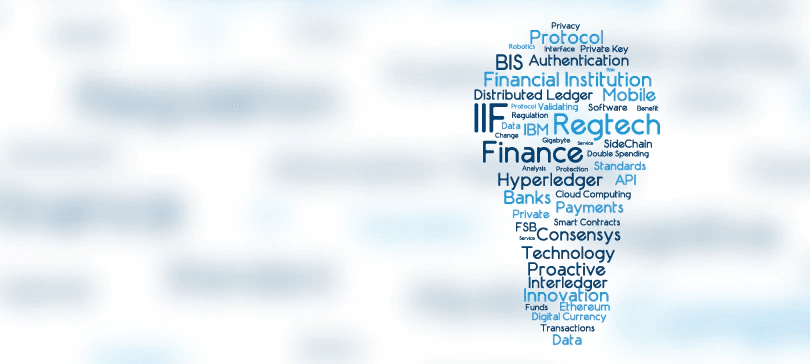
The financial sector is one of the most heavily regulated industries in the world. In 2023, it’s expected for RegTech to disrupt the regulatory landscape by providing advanced tech solutions for compliance issues. With the entry of alternative finance, blockchain, and AI, the fintech industry will raise attention from governments worldwide.
RegTech has emerged to help businesses streamline nearly every part of the compliance process. With the help of cloud technology, machine learning, and big data analytics, RegTech will intensify its solutions to enable financial institutions to identify and prevent risks efficiently and accurately in the coming years.
It’s impossible to conclude how things will turn out next year. However, we know with certainty that 2023 will be a significant year for the financial industry. From splitting restaurant bills to paying rent, fintech has pushed the legacy payment process to the verge of obsolescence. And as it continues to evolve, it may even turn our impatience with financial transactions into a relic as well.
sources: forbes, forbes, fivedegrees